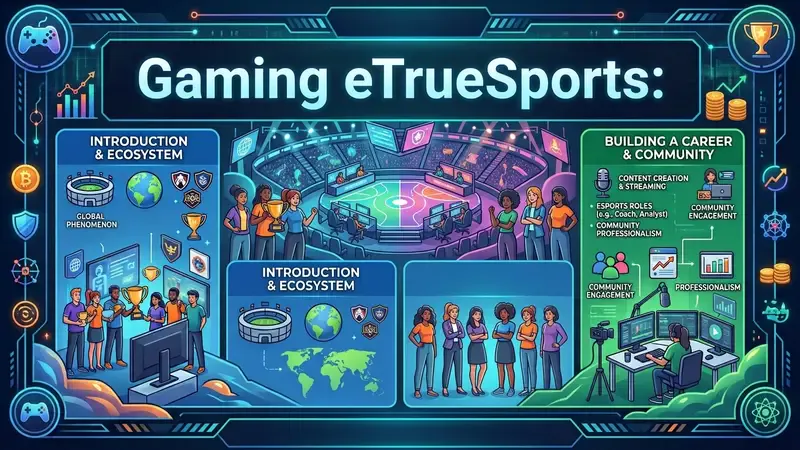
Gaming Etruesports is a topic that connects modern video gaming with the exciting world of competitive esports. As online gaming grows, more players are exploring competitive tournaments, multiplayer challenges, live streaming, and professional gaming communities. Esports has transformed video games from a casual hobby into a competitive activity where players can develop skills, build teams, and compete against opponents worldwide.
Whether you are a beginner interested in gaming or an experienced player looking to improve, understanding gaming and esports can help you make the most of this growing digital entertainment industry. From popular competitive games to gaming equipment and online communities, there are many ways to get involved.
What Is Gaming Etruesports?
Gaming Etruesports can be understood as a search term associated with gaming culture, competitive video games, and esports-related content. The word combines the broader gaming experience with the competitive side of electronic sports.
However, the term itself does not necessarily identify one officially recognized gaming platform or company. Its exact meaning depends on the website or context where it appears.
Esports generally refers to organized video game competitions in which individuals or teams compete according to specific rules. These competitions may take place online or at physical venues and can attract players, spectators, sponsors, and gaming enthusiasts.
The Growth of Competitive Gaming
Competitive gaming has developed significantly over the years. Improvements in internet connectivity, gaming hardware, and online multiplayer technology have made it easier for players to compete across different countries.
Today, esports competitions cover several gaming genres, including first-person shooters, multiplayer online battle arenas, sports simulations, and strategy games.
Some well-known competitive titles include Counter-Strike 2, League of Legends, Dota 2, Valorant, and Fortnite. Each game offers a different experience, allowing players to choose competitions that match their interests and abilities.
Live streaming has also helped esports grow by allowing fans to watch matches, follow professional players, and learn new techniques from experienced competitors.
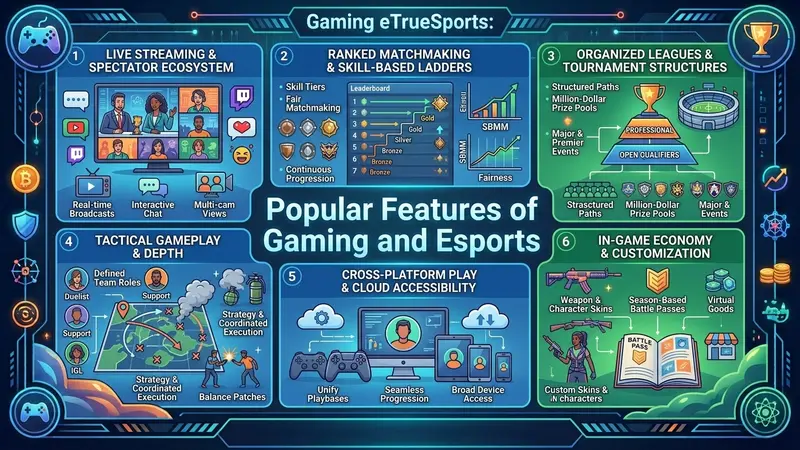
Popular Features of Gaming and Esports
1. Competitive Tournaments
Tournaments are central to esports culture. Players compete individually or as part of a team to improve their rankings and win matches. Some events are organized for beginners, while others feature experienced professionals.
Smaller competitions can help new players understand tournament rules, improve decision-making, and gain experience under pressure.
2. Multiplayer Gaming
Multiplayer games allow players to interact, cooperate, and compete with others in real time. Team-based games often require communication, coordination, and strategic planning.
These experiences can make gaming more engaging because players must adapt to different opponents and changing situations.
3. Live Streaming and Gaming Content
Streaming platforms allow gamers to broadcast gameplay, share tutorials, and build communities around their favorite titles. Viewers can watch professional matches, discover new games, and learn useful strategies.
For aspiring content creators, gaming videos and live streams can also provide opportunities to develop editing, communication, and presentation skills.
4. Gaming Communities
Online gaming communities connect players who share similar interests. Forums, discussion groups, and social platforms allow users to exchange tips, discuss updates, and find teammates.
A positive community can make gaming more enjoyable, particularly for beginners who need advice about choosing games or improving their performance.
How to Get Started With Esports
Starting an esports journey does not require expensive equipment or professional experience. Beginners can follow a few practical steps to develop their skills.
Choose a game: Select a title that matches your interests and preferred gaming style. Try different genres before committing to one competitive game.
Learn the basics: Understand the controls, objectives, maps, characters, and rules. Mastering the fundamentals builds a strong foundation for improvement.
Practice regularly: Consistent practice helps develop reaction time, game knowledge, accuracy, and strategic thinking. Focus on specific weaknesses rather than playing without a plan.
Watch experienced players: Professional matches and educational videos can demonstrate effective strategies, teamwork, and decision-making.
Join a community: Connect with respectful players who can offer feedback and help you find teammates for online matches.
Participate in beginner competitions: Once you feel comfortable, consider community tournaments or amateur leagues to gain competitive experience.
Essential Equipment for Competitive Gaming
The right equipment can improve comfort and performance, but skill and practice still matter more than expensive hardware.
A reliable computer or gaming console is a useful starting point. Players should choose equipment that can run their preferred games smoothly.
A comfortable gaming mouse and keyboard can help PC players, while a responsive controller may suit console gaming. A good headset also helps players hear important in-game sounds and communicate with teammates.
A stable internet connection is particularly important for online competitions. High latency can delay actions and make competitive matches more difficult.
Finally, an ergonomic chair, suitable desk, and regular breaks can help support comfort during longer gaming sessions.
Benefits of Gaming and Esports
Gaming can provide several benefits when enjoyed responsibly. Strategy-based games may encourage planning, problem-solving, and quick decision-making. Team-based competitions can help players practice communication and cooperation.
Esports can also introduce people to digital skills such as video editing, streaming, event organization, and community management. These activities may support personal projects or future career interests.
However, these benefits are not guaranteed for every player. Results depend on the game, the individual, and how gaming fits into daily life.
Challenges and Responsible Gaming
Competitive gaming also comes with challenges. Spending too much time playing can disrupt sleep, education, work, physical activity, and relationships. Players may also feel frustrated after losses or encounter negative behavior in online communities.
To maintain a healthy balance, establish reasonable gaming hours, take regular breaks, and protect time for other responsibilities. Use privacy settings carefully, avoid sharing sensitive personal information, and report harassment when necessary.
Be cautious of websites that promise guaranteed esports earnings, request unnecessary personal information, or ask for payments without clear terms. Always verify a tournament’s organizer and rules before registering.
The Future of Gaming Etruesports
Advances in gaming technology, streaming services, online competition, and community engagement will likely continue to shape the future of gaming and esports. Better hardware and internet infrastructure may make competitive experiences more accessible to players worldwide.
Mobile esports, amateur tournaments, and gaming content creation may also provide additional ways for enthusiasts to participate. At the same time, fair competition, player well-being, and responsible community management will remain important to the industry’s development.
For anyone exploring the term Gaming Etruesports, focusing on established esports games, reliable gaming resources, and legitimate competitions is a practical way to understand the wider gaming landscape.
Learn more about gaming tips.
Final Thoughts
Gaming Etruesports reflects an interest in the connection between video gaming, esports competitions, and online gaming communities. Whether you want to improve your skills, watch professional tournaments, connect with other players, or explore gaming content creation, you can participate in the esports world in many ways.
Start with a game you enjoy, practice consistently, choose suitable equipment, and maintain a healthy balance between gaming and everyday responsibilities. Most importantly, verify any platform or service before sharing personal information or spending money. With the right approach, gaming can be an enjoyable way to develop skills, build connections, and experience competitive digital entertainment.
